July 30, 2026
Planning to refresh your home’s exterior this summer? Before you pop open that can of paint, beware: summer weather brings a hidden set of hazards for painting projects. High heat, humidity, and sudden storms can turn a weekend upgrade into an expensive redo. If you want a smooth, long-lasting finish, here is what you need to look out for—and how to avoid the biggest summer painting traps.
The Thermal Trap: Extreme Heat and Direct Sunlight
Painting under a blazing sun might seem ideal for drying, but extreme heat is actually the enemy of fresh paint. When surface temperatures exceed 90°F–95°F, latex paint dries far too rapidly on the surface. This rapid shell-formation traps volatile solvents underneath, leading to unsightly bubbling, blistering, and visible brush marks.
The Fix: Work around the sun. Paint the east-facing walls in the late afternoon and west-facing walls in the morning, sticking strictly to shaded areas.
The Moisture Enemy: High Humidity and Overnight Dew
Summer air is often thick with humidity. Excess moisture slows curing times dramatically, giving fresh paint less chance to form a strong bond. Even worse, if you paint too late in the afternoon, heavy overnight dew can settle on the wet coat, causing streaking, water spots, or poor overall adhesion.
The Fix: Keep an eye on humidity levels—ideally below 70%—and finish painting by late afternoon so the coat has several hours to skin over before dew sets in.
The Unpredictable: Sudden Summer Storms
Few things are as painful as watching hours of hard work get washed down the driveway by a sudden afternoon downpour. Exterior paint needs anywhere from two to four hours of dry weather to resist rain, and up to 30 days to fully cure. A sudden flash storm will spot, streak, or completely wash away uncured paint.
The Fix: Check the local radar hourly, not just the morning forecast. If there’s more than a 30% chance of rain, hold off.
The Long-Term Fade: UV Ray Degradation
Intense ultraviolet light breaks down paint binders and pigments over time. South- and west-facing walls take the brunt of this exposure, causing rich dark colors to fade rapidly into dull, chalky hues within just a few seasons.
The Fix: Invest in high-grade 100% acrylic latex paint formulated with UV-resistant pigments, or choose lighter shades for heavy-sun exposures.
Foundation Matters: Surface and Material Issues
Even perfect weather won’t save a job built on poor prep:
-
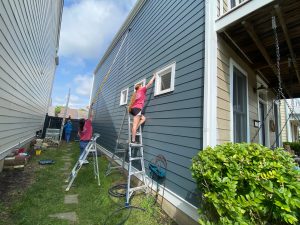
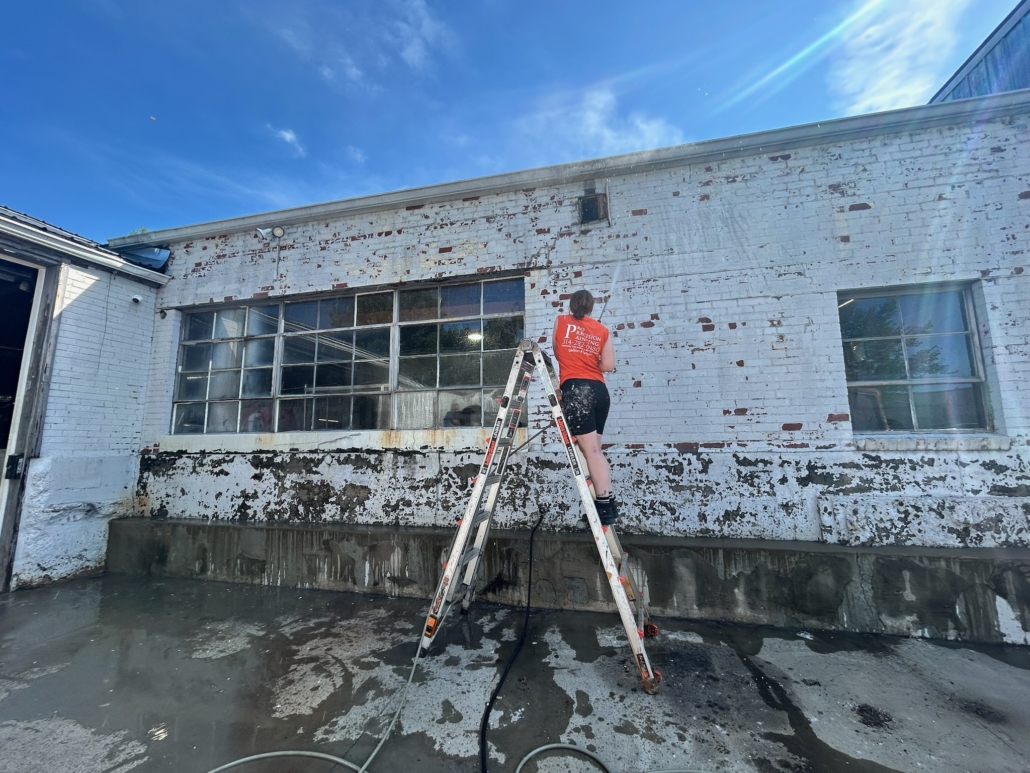
Inadequate Preparation: Painting over chalky residue, dirt, or mildew creates a weak barrier. Instead of bonding to the wall, the new paint sticks to the grime, causing it to peel off in sheets later. Always power wash and scrub surfaces thoroughly before painting.
-
Flaking and Alligatoring: As wood or stucco expands and contracts under extreme heat, old, brittle paint cracks into patterns that resemble reptile skin. Painting over this unstable base stresses your new coat, causing early failure. Scraping, sanding, and priming are mandatory steps before applying your topcoat.
Respecting the weather and taking time to prep properly will save you hours of rework—and keep your home looking freshly painted for years to come.